
·Blog
Beyond the Hype: Position of Blockchain in Vietnam Market
Phuong Do
I still vividly remember sitting through a pitch for "Blockchain in Vietnamese Agriculture" back in 2019. The presenter, eyes gleaming with enthusiasm, declared: "We will migrate the entire rice supply chain onto the blockchain. Every single grain will be traceable!" The room nodded in unison. Meanwhile, I was mentally crunching the numbers: Who enters the data? Who picks up the operational tab? And more importantly, who actually needs this?
Six years have passed. Blockchain is still here, yet it hasn’t manifested in the way people envisioned during the 2018-2019 craze. The Vietnamese market is finally finding its true footing, not in flashy slide decks but through solving specific, often painful, real-world problems.
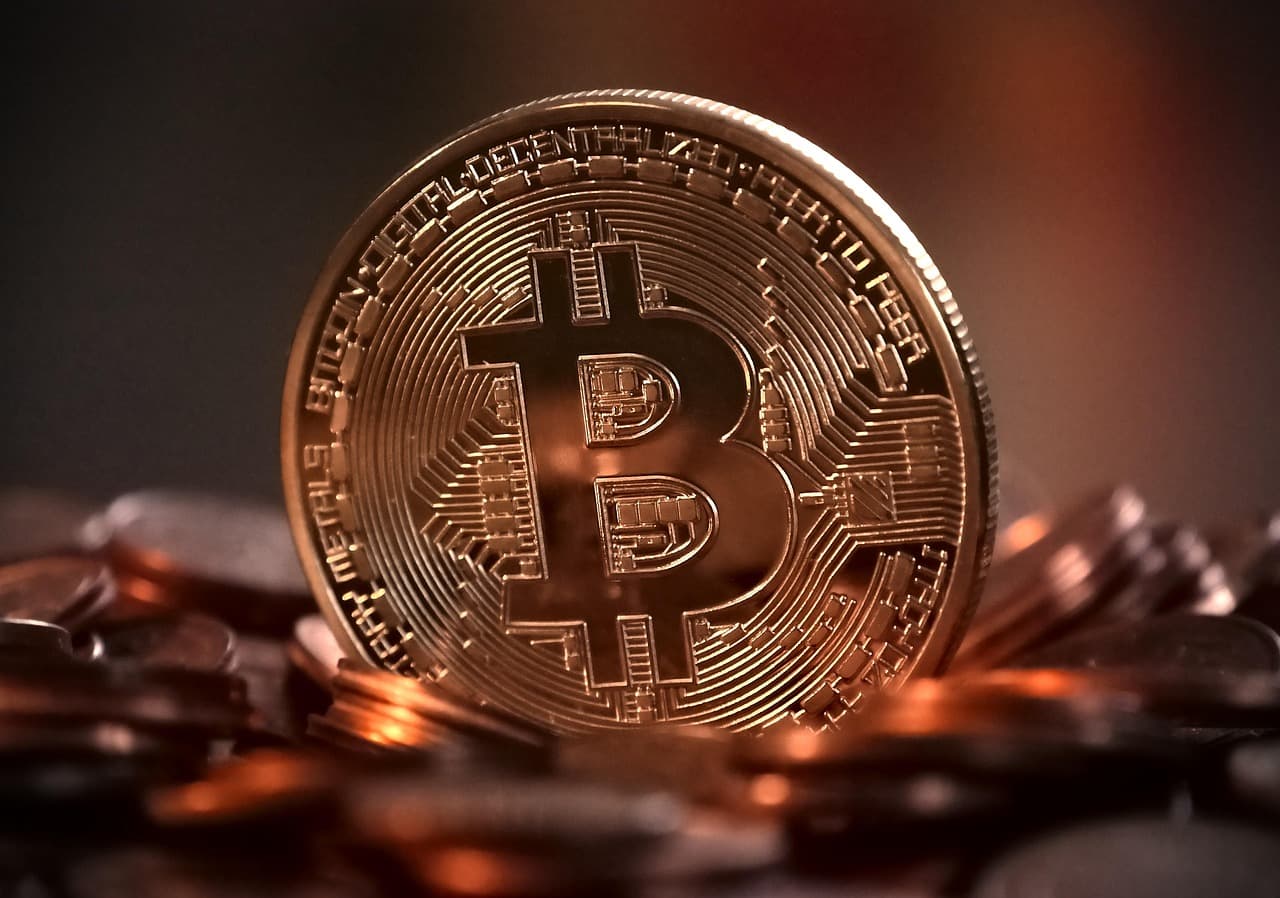
First question, what exactly is Blockchain?
If you have already consumed enough "Blockchain 101" content, feel free to skip this part. But if not, here is how I explain it to my colleagues: Blockchain is essentially a distributed database where no single entity has the authority to delete or alter history. Basically, its strength lies neither in speed (it is slower than traditional databases) nor in cost (it is more expensive). Instead, it offers one unique value proposition: Trust without an intermediary. It allows two parties to transact without needing a trusted third party to bear witness. Apparently, this feature of Blockchain requires the Rule of Three. Blockchain is truly effective only when:- There are multiple parties involved who do not inherently trust each other.
- There is a need for an irrefutable transaction history.
- A trusted intermediary is either unavailable or undesirable.
Blockchain in Vietnam: The Reality by the Numbers
Vietnam offers a fascinating landscape for Web3 development. We boast a young demographic, high smartphone penetration (~73%), and a genuine "pain point" regarding centralized intermediaries. Anyone who has tried to transfer money abroad, verify a degree, or track a shipment across provinces understands this friction immediately.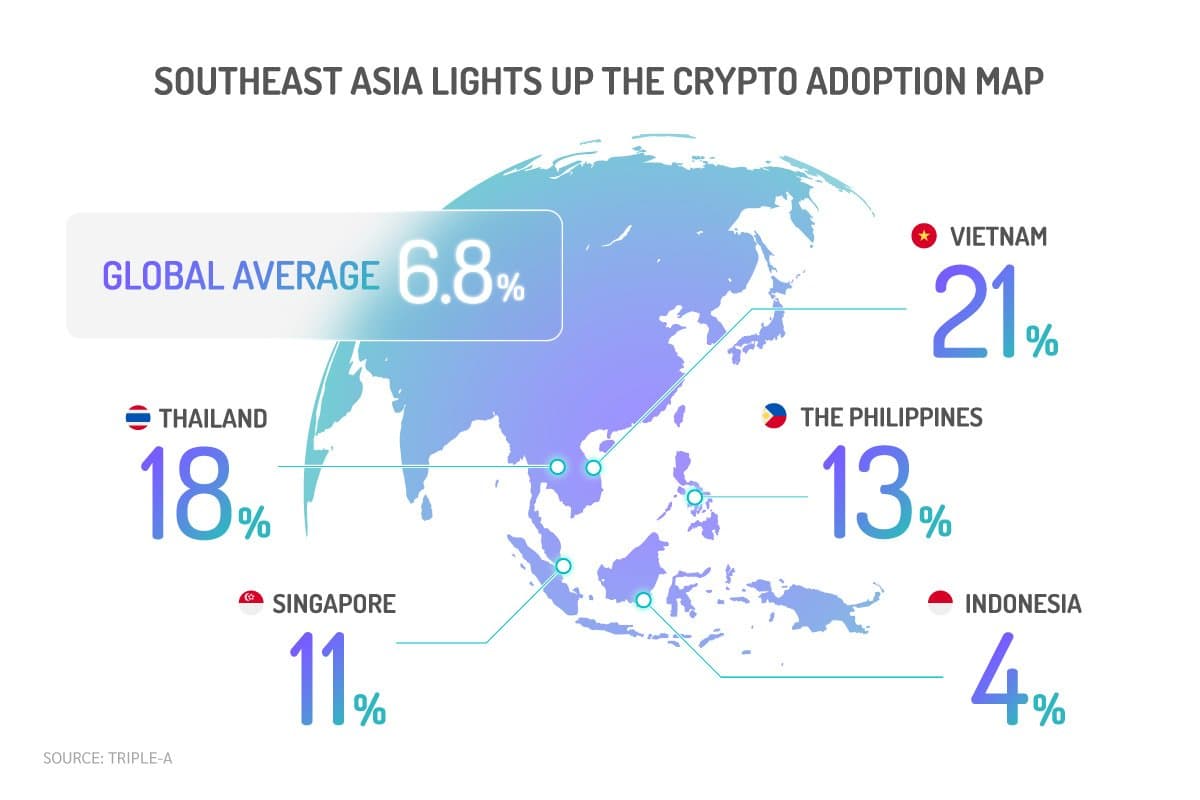
Real-World Blockchain Case Studies: Beyond the Theory
The most interesting data point for me isn’t the number of startups, but rather the specific problems successful projects are tackling. Let’s walk through 3 examples:1. Agricultural Product Traceability
From my point of view, this is the most talked-about use case, yet it’s where I see the most "dead" projects. The bottleneck isn't the technology, it’s the incentive structure. Who benefits from transparency? Consumers want it, but aren't always willing to pay a premium. Exporters want it to satisfy international regulations. But the middlemen? They often prefer the status quo. However, some have found a niche. TE-FOOD, for instance, collaborated with local authorities in Dong Nai and Binh Duong Province to track livestock from the farm to the table. This wasn't driven by farmer demand, but by the necessity of controlling African Swine Fever. When there is external pressure, blockchain finally finds its purpose.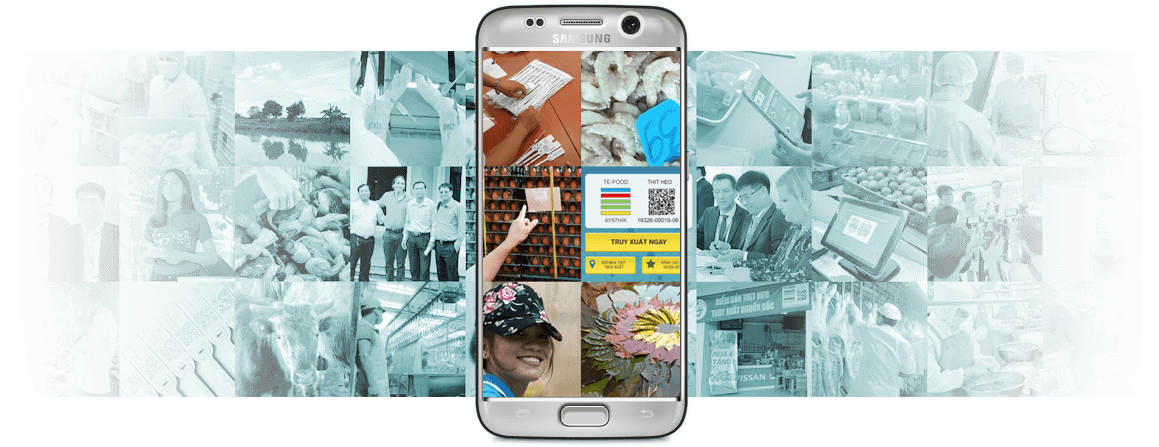
2. Finance and Cross-Border Payments
This is where blockchain has the most tangible impact in Vietnam today in my opinion. Forget complex DeFi or NFTs for a moment; the real winners are remittances and cross-border settlements. Vietnam receives approximately $14-$16 billion in remittances annually, standing resilient as one of the top 10 recipients of overseas remittances worldwide. But traditional bank fees hover between 3% and 7%, with processing times taking days. In this case, solutions built on stablecoins or permissioned blockchains slashing those costs to under 1% with near-instant settlement are options that could offer significant financial benefits.
3. Academic Credential Verification
A less-discussed but highly relevant use case in Viet Nam is the management of academic records. In 2020, FPT University began issuing degrees on the blockchain. It wasn't "glamorous," but it solved a fundamental trust issue between institutions without requiring a direct relationship.
The Challenges for Vietnamese Blockchain Appliance
While others focus on scalability or regulatory frameworks, I see three more jagged hurdles in the Blockchain appliance Vietnamese market: • Garbage In, Garbage Out: Blockchain only secures data after it is entered. If a farmer enters the wrong harvest date, the blockchain simply makes that lie immutable. This is a human problem, not a technical one. • Coordination Friction: Permissioned blockchains rely on network effects. Convincing 20 competing enterprises to share a single platform in a business culture that guards data fiercely is a strategic nightmare. • The Pilot-to-Production Gap: I’ve seen dozens of beautiful Proof of Concepts (PoCs) that never scale. High operational costs and a lack of patience for network effects often kill projects before they reach a positive ROI. Blockchain is not a silver bullet. It’s a database with special properties, which can be useful in some cases but redundant in some other. Therefore, the real question that need to be considered is “Do we really need blockchain in this case - or we are just trying to use tech to address a problem of process and human?” In most cases, after carefully consider, the answer is “No”. However, that’s totally fine.The Verdict: Where is the True Footing of Blockchain in Viet Nam?
So, where does blockchain actually belong in Viet Nam? It won't be in the "romanticized" use cases found in startup pitches. Instead, it will live in the quiet, foundational layers of the economy:- Cross-border financial infrastructure as Vietnam integrates deeper into global supply chains.
- Digital Identity (DID) and data authentication, aligning with national digital transformation goals.
- Smart Contracts for complex B2B transactions, automating agreements without expensive third-party oversight.
Author: Phuong Do, Data Expert of A-Star Group Compiled by Dieu Anh